Conveyance (law)

Definition and stakes

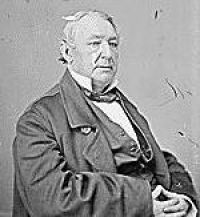
Portrait of Joseph Story Joseph Story,  Commentaries on the Constitution of the United States (1833)

“ A state law, therefore, annulling conveyances between individuals, and declaring, that the grantors should stand seized of their former estates, notwithstanding those grants, would be as repugnant to the constitution, as a state law discharging the vendors from the obligation of executing their contracts of sale by conveyances. It would be strange, indeed, if a contract to convey were secured by the constitution, while an absolute conveyance remained unprotected. [7] That the contract, while executory, was obligatory; but when executed, might be avoided. ”
Source: Wikisource

David Davis,  Black v. Curran — Opinion of the Court

“ If a conveyance by the occupier of the homestead without the release of his right as required by the law has the effect to pass the title, regardless of the value of the premises conveyed, and can be enforced so soon as the occupation of the homestead ceases, it is difficult to see why the conveyance by the officer of the law, instead of the debtor, should not have the same effect. ”
Source: Wikisource

Get perspective with Kwize: daily news enlightened by great literature