Ecclesiastical architecture

Definition and stakes

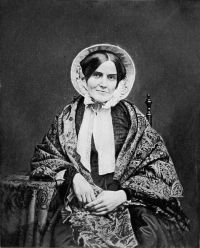
Portrait of Mrs. Hugh Fraser Mrs. Hugh Fraser,  Italian Yesterdays, vol. 2

“ The chief object of ecclesiastical architecture is to symbolise the grandeur of the union between the soul and its Creator; as such, and as the storehouse and dispensary of graces, the banqueting hall where He feeds us with Himself, the arsenal where He arms us for the combat and trains us for His soldiers, where, in His surpassing love and mercy, He deigns to remain in the adorable Eucharist, the consecrated Church [56] is the crown of human production, and rightly do we strain every nerve to make it rich and noble and fair. ”
Source: Gutenberg

J. Alfred Gotch,  Early Renaissance Architecture in England

“ The principal buildings erected during the sixteenth and early seventeenth centuries were houses, and it is mainly in connection with domestic architecture that we must seek to trace the development of the new style. There were but few churches built after the dissolution of the monasteries, and we have no examples of sufficient importance to show how ecclesiastical architecture would have been affected. There are chapels, chantries, and fittings, such as screens, pews, pulpits, and fonts, but nothing on a large scale. ”
Source: Gutenberg

J. H. Kurtz,  Church History (Volumes 1-3)

“ Ecclesiastical Architecture.―Church building, which the barbarism of the 10th century, and the widespread expectation of the coming end of the world had restrained, flourished during the 11th century in an extraordinary manner. The endeavour to infuse the German spirit into the ancient style of architecture gave rise to the Romance Style of Architecture, which prevailed during the 12th century. ”
Source: Gutenberg

Get perspective with Kwize: daily news enlightened by great literature