Epic poetry

Definition and stakes

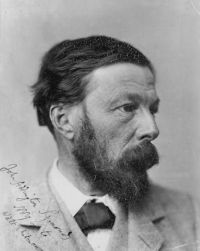
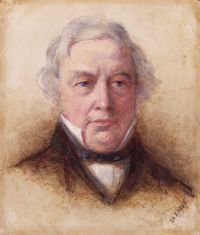
Lascelles Abercrombie,  The Epic

“ We may, then, in a general survey, regard epic poetry as being in all ages essentially the same kind of art, fulfilling always a similar, though constantly developing, intention. Whatever sort of society he lives in, whether he be surrounded by illiterate heroism or placid culture, the epic poet has a definite function to perform. We see him accepting, and with his genius transfiguring, the general circumstance of his time; we see him symbolizing, in some appropriate form, whatever sense of the significance of life he feels acting as the accepted unconscious metaphysic of his age. ”
Source: Gutenberg

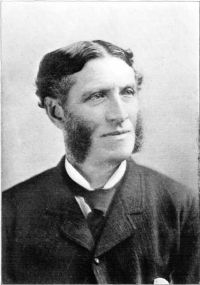
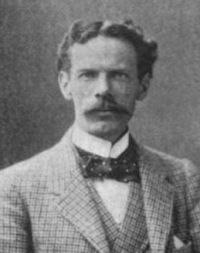
Portrait of W. P. Ker W. P. Ker,  Epic and Romance: Essays on Medieval Literature

“ In an epic poem where the characters are vividly imagined, it follows naturally that their various moods and problems involve a variety of scenery and properties, and so the whole business of life comes into the story.
The success of epic poetry depends on the author's power of imagining and representing characters. A kind of success and a kind of magnificence may be attained in stories, professing to be epic, in which there is no dramatic virtue, in which every new scene and new adventure merely goes to accumulate, in immortal verse, the proofs of the hero's nullity and insignificance.
”
Source: Gutenberg

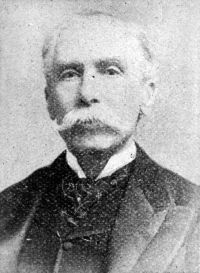
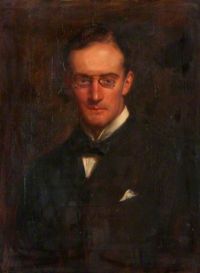
Hutcheson Macaulay Posnett,  Comparative Literature (1886)

“ The life of the ode is ideal, that of the epic grandiose, that of the drama real. In fine, this triple poetry springs from three grand sources—the Bible, Homer, Shakspere. Such are the diverse aspects of thought at different eras of man and society. Here are its three faces—youth, manhood, old age. Examine a single literature by itself or all literatures en masse, and you will always reach the same fact—the lyric poets before the epic, the epic before the dramatic. ”
Source: Wikisource

Get perspective with Kwize: daily news enlightened by great literature