Free verse

Definition and stakes

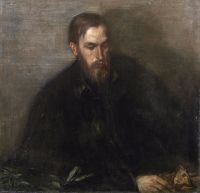
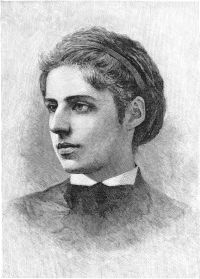
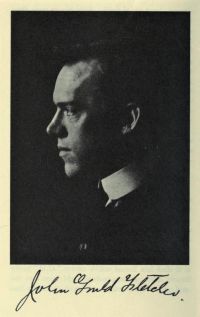
Portrait of John Gould Fletcher John Gould Fletcher,  Irradiations; Sand and Spray

“ Every one is talking—many poets, poeticules, and poetasters are writing—what they call "free verse." Let there be no mistake about one thing. Free verse that is flabby, in-organic, shapelessly obvious, is as much of a crime against poetry as the cheapest echo of a Masefield that any doggerel scribbler ever strummed. ”
Source: Gutenberg

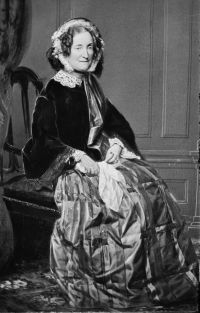
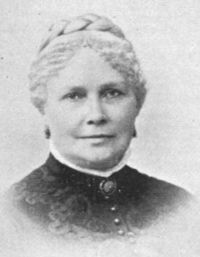
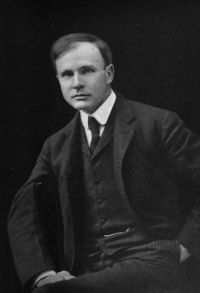
Portrait of Bliss Perry Bliss Perry,  A Study of Poetry

“ To readers, to writers for whom the tonal quality of every language is an intrinsic value these faculties of poetry serve not at all as cramping oppressions, but as great liberations for the communication of truth." [Footnote: New Republic, August 24, 1918.] But many practitioners of free verse would reply that this is not a matter for theorizing, but of individual preference, and that in their endeavor to communicate new modes of feeling, new aspects of beauty, they have a right to the use of new forms, even if those new forms be compounded out of the wreck of old ones. ”
Source: Gutenberg

Albert Mordell,  The Literature of Ecstasy

“ The detractors of free verse need not think they bring a valid argument against it when they arrange free verse in prose form, and, vice versa, chop up prose sentences into brief lines beginning with a capital, and ask what is the difference between the two. It is admitted there is none. It matters not if the poet wishes to arrange his composition in free verse forms to call attention to the rhythm, or to print it as prose. It is immaterial if you call vers libre rhythmical prose or a distinct verse form. The poetry is independent of any ordering of the lines. ”
Source: Gutenberg

Get perspective with Kwize: daily news enlightened by great literature