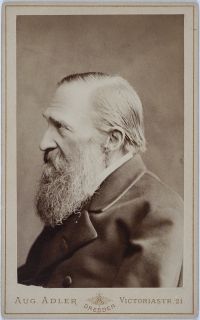
Gratuity, defined as a voluntary gift given as a token of favor rather than a right, occupies a nuanced space in social and ethical discourse. From Eliza Leslie’s advice on avoiding regular payments to servants to prevent mercenary attitudes, to Arthur Henderson Smith’s observation on declining such gestures, the theme reveals varied cultural and moral considerations.
William R. Scott critiques its potential for corruption, while Benjamin Franklin links it to personal freedom, contrasting it with obligation. These perspectives, spanning etiquette, economics, and spirituality, underscore gratuity’s role as both a social lubricant and a moral test, reflecting power dynamics and human generosity.
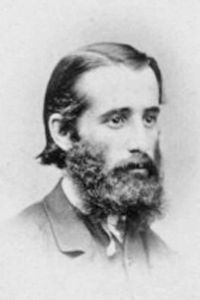 Arthur Henderson Smith,
Chinese Characteristics
(1894)
Arthur Henderson Smith,
Chinese Characteristics
(1894)