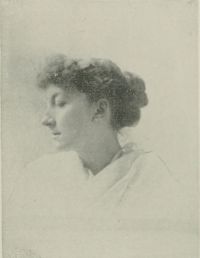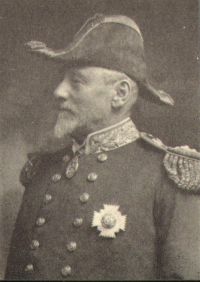
“ When my horse was brought to the door, she came to me with a delicate spray of heliotrope."Let me fasten this in your coat, Sir Edgar. No gentleman looks completely dressed without a flower. You do not know what heliotrope means. Men never—or, at least, very seldom—care for the sweetest of all languages—the language of flowers. What that heliotrope means, cousin, I say to you." ”
Heliotrope
Definition and stakes
The heliotrope, a device using a mirror to redirect sunlight over great distances, played a crucial role in geodetic surveys from the 19th to the late 20th century, invented by Carl Friedrich Gauss in 1821. Its name, originating from Greek for "sun-turn," illustrates its purpose in aligning distant survey points.
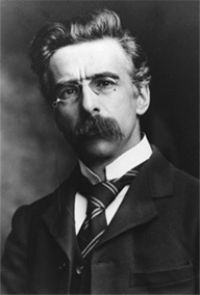
While technical sources, such as encyclopedias and surveying guides, focus on its practical application in triangulation and geodetic work, literary mentions—such as Charlotte M. Brame’s use of heliotrope as a symbolic floral gesture or Jean Lang’s poetic link to solar devotion—underscore its cultural significance. Writers and scientists alike have explored the heliotrope’s dual nature as both a tool of accuracy and a symbol of human connection to light and meaning.
Quotes about “heliotrope”
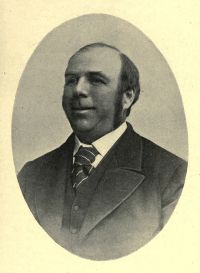
“ Some there are who say that not into the bold-faced sunflower did her metamorphosis take place, but into that purple heliotrope that gives an exquisite offering of fragrance to the sun-god when his warm rays touch it. And in the old walled garden, while the bees drowsily hum, and the white pigeons croon, and the dashing sunflower gives Apollo gaze for gaze, and the scent of the mignonette mingles with that of clove pinks and blush roses, the fragrance of the heliotrope is, above all, worthy incense to be offered upon his altar by the devout lover of a god. ”
 Hugh Miller,
The Cruise of the Betsey
Hugh Miller,
The Cruise of the Betsey
“ The heliotrope is merely a chalcedony, stained in the forming with an infusion of green earth, as the colored waters in the apothecary's window are stained by the infusions, vegetable and mineral, from which they derive their ornamental character. The red mottlings which so heighten the beauty of the stone occur in comparatively few of the specimens of Scuir More. They are minute jasperous formations, independent of the inclosing mass; and, from their resemblance to streaks and spots of blood, suggest the name by which the heliotrope is popularly known. ”