Humorism

Definition and stakes

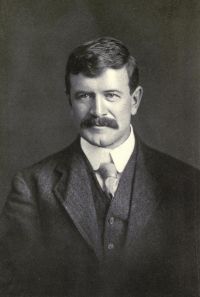
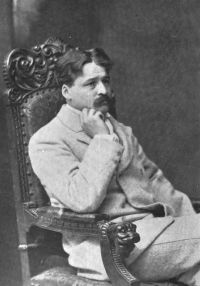
Portrait of George Meredith George Meredith,  An Essay on Comedy and the Uses of the Comic Spirit

“ The laughter of satire is a blow in the back or the face. The laughter of Comedy is impersonal and of unrivalled politeness, nearer a smile; often no more than a smile. It laughs through the mind, for the mind directs it; and it might be called the humour of the mind.
One excellent test of the civilization of a country, as I have said, I take to be the flourishing of the Comic idea and Comedy; and the test of true Comedy is that it shall awaken thoughtful laughter.
”
Source: Gutenberg

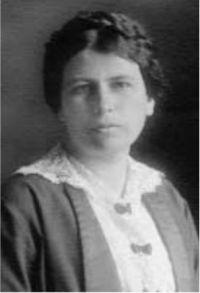
Grace E. Hadow,  Chaucer and His Times

“ Humour.—If it is difficult to draw a hard-and-fast line round other elements of comedy, and detach wit from satire, or satire from farce, it is still harder to attempt to isolate humour and discuss it as a separate and distinct property. Humour is the sympathetic appreciation of the comic, the faculty which enables us to love while we laugh, and to love the better for our laughter. ”
Source: Gutenberg

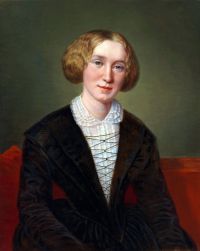
Portrait of George Eliot George Eliot,  Essays of George Eliot (1883)

“ Strange as the genealogy may seem, the original parentage of that wonderful and delicious mixture of fun, fancy, philosophy, and feeling, which constitutes modern humor, was probably the cruel mockery of a savage at the writhings of a suffering enemy—such is the tendency of things toward the good and beautiful on this earth! Probably the reason why high culture demands more complete harmony with its moral sympathies in humor than in wit, is that humor is in its nature more prolix—that it has not the direct and irresistible force of wit. ”
Source: Wikisource

Get perspective with Kwize: daily news enlightened by great literature