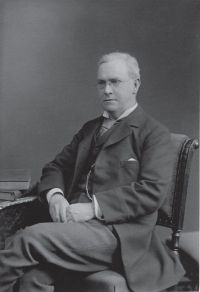
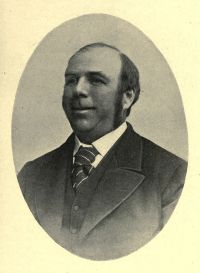
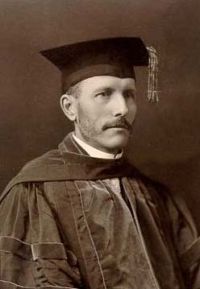
A mechanical joint refers to the connection between components in a structure or machine, enabling motion, stability, or the transfer of force. Engineers and mechanists such as Henry Kater, Horace Lamb, and William Rankine examined its practical and theoretical aspects, ranging from the universal joint’s function in industrial machinery to the study of stability and stress distribution in frameworks.
Kater emphasized its application in cotton mills, while Lamb and Rankine focused on structural firmness and force balance. These investigations highlight a combination of empirical observation and theoretical precision, illustrating the joint’s dual function as both a practical component and a subject of mechanical study.