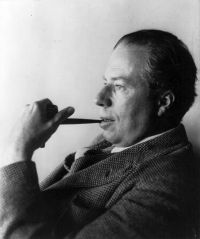
Various,  Popular Science Monthly (1901)

“ Of these dialects the most important is the so-called Mandarin or Pekingese, the dialect of the North and the official language of the country, for it is the one which all government officials are required to learn and use. It therefore holds the position in respect to other dialects that the French formerly held in Europe as the Court tongue, or language of diplomacy and officialism.
Historically, China enjoys the distinction of being the oldest continuing nation in the world.
”
Source: Wikisource

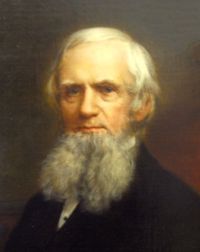
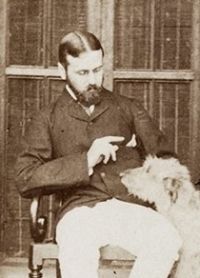
Portrait of Arthur Henderson Smith Arthur Henderson Smith,  Chinese Characteristics (1894)

“ If it is a general truth that a Chinese would be more likely than not to give some other than the real reason for anything, and that nothing requires more skill than to guess what is meant by what is said, this nowhere finds more perfect exemplification than in Chinese official life, where formality and artificiality are at their maximum. When a whole column of the "leading journal" of China is taken up with a description of the various aches and pains of some aged mandarin who hungers and thirsts to retire from His Majesty's service, what does it all mean? ”
Source: Wikisource

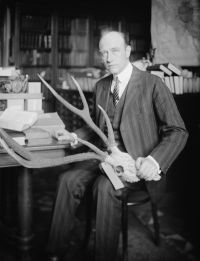
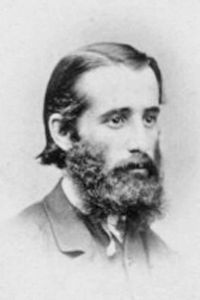
Portrait of Roy Chapman Andrews Roy Chapman Andrews,  Camps and Trails in China (1918)

“ Before my first official visit Wu gave me a lesson in etiquette. The Chinese are exceedingly punctilious and it is necessary to conform to their standards of politeness for they do not realize, or accept in excuse, the fact that Western customs differ from their own.
At the end of the reception room in every yamen is a raised platform on which the visitor sits at the left hand of the mandarin; it would be exceedingly rude for a magistrate to seat the caller on his right hand. Tea is always served immediately but is not supposed to be tasted until the official does so himself
”
Source: Gutenberg

Get perspective with Kwize: daily news enlightened by great literature