Medicine dance

Definition and stakes

Prinz von Maximilian Wied,  Maximilian, Prince of Wied's, Travels in the Interior of North America…

“ The medicine dance. 10. The scalp dance. The first seven are all danced in the same manner, the only difference is in the singing. This is usually sometimes loud, sometimes soft, now high, now low, always consisting of short, frequently repeated tones, and extremely monotonous, often interrupted by loud exclamations of "re, ri," or "hey, hey, hey," repeated three times, nearly the same among all the Missouri tribes, and interrupted by the war cry. The medicine dance of the women does not occur every year. It is a medicine feast for the latter, at which, however, some men likewise appear. ”
Source: Gutenberg

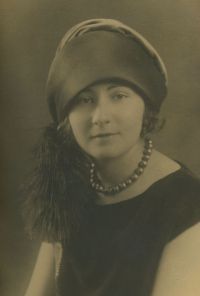
Portrait of Mary H. Eastman Mary H. Eastman,  Dahcotah: Life and Legends of the Sioux Around Fort Snelling

“ After the dance is done, the scalp is buried or put up on the scaffold with some of the deceased of the tribe who took the scalp. So much for the scalp dance—a high religious ceremony, not, as some suppose, a mere amusement.
The Sacred Feast is given in honor of the sacred medicine, and is always given by medicine-men or women who are initiated into the mysteries of the medicine dance. The medicine men are invariably the greatest rascals of the band, yet the utmost respect is shown them. Every one fears the power of a medicine man.
”
Source: Gutenberg

Mary Austin,  The Arrow-Maker: A Drama in Three Acts

“ Some of these medicine dances are ritualistic in character and must be performed with great strictness, but in the case of the Chisera the dance is assumed to be made up of various dance elements expressing the emotion of the moment, combined by individual taste and skill.
Power is supposed to descend upon the dancer as he proceeds. Sometimes the dance lasts for hours, and even for days before the proper trance condition is attained.
”
Source: Gutenberg

Get perspective with Kwize: daily news enlightened by great literature