Meter (poetry)

Definition and stakes

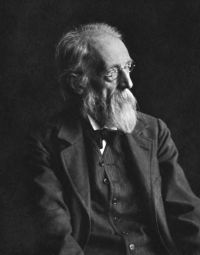
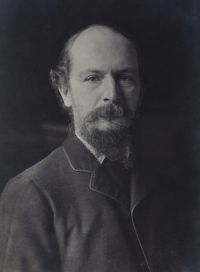
Portrait of H. P. Lovecraft H. P. Lovecraft,  Metrical Regularity

“ Like other instincts, the metric sense has taken on different aspects among different races. Savages show it in its simplest form while dancing to the sound of primitive drums; barbarians display it in their religious and other chantings; civilized peoples utilize it for their formal poetry, either as measured quantity, like that of Greek and Roman verse, or as measured accentual stress, like that of our own English verse. Precision of metre is thus no mere display of meretricious ornament, but a logical evolution from eminently natural sources. ”
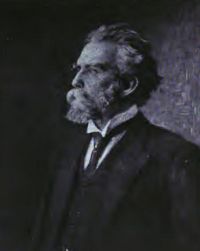
Source: Wikisource

Robert J. Shores,  New Brooms

“ I call this form the duocapet because it is, in a sense, double-headed, having two rhyming words in every line—one at each end. I have discarded rhythm but retained rhyme. I had good reasons for adopting this course. I regard meter as a useless encumbrance. It is meter, not rhyme, which hampers the true poet. The poet should be free—free as the air—free as the birds. It is a crime against art to bind him with silly meaningless meters and rhythms which distract his attention from his theme and serve only to furnish critics with an excuse for picking flaws. ”
Source: Gutenberg

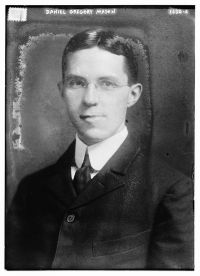
Portrait of S. S. Curry S. S. Curry,  Browning and the Dramatic Monologue

“ One of the most important questions in regard to form in poetry, especially the form and interpretation of the monologue, relates to metre.
To most persons metre is something purely arbitrary and artificial. Books on the subject often give merely an account of the different kinds of feet with hardly a hint that metre has meaning. But metre is not a mechanical structure which exists merely for its own sake. When the metre is true, it expresses the spirit of the poem, as the leaf reveals the life and character of the tree.
”
Source: Gutenberg

Get perspective with Kwize: daily news enlightened by great literature