Musical note

Definition and stakes

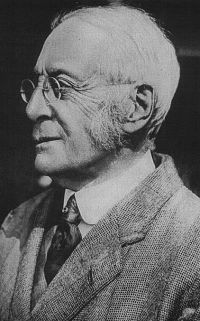
Portrait of Kenneth Grahame Kenneth Grahame,  The Golden Age

“ Those who painfully and with bleeding feet have scaled the crags of mastery over musical instruments have yet their loss in this,—that the wild joy of strumming has become a vanished sense. Their happiness comes from the concord and the relative value of the notes they handle: the pure, absolute quality and nature of each note in itself are only appreciated by the strummer. For some notes have all the sea in them, and some cathedral bells; others a woodland joyance and a smell of greenery; in some fauns dance to the merry reed, and even the grave centaurs peep out from their caves. ”
Source: Gutenberg

Sheet music

“ Reading basic musical notation is not that difficult and once you know what the symbols mean it is usually easy to write out the appropriate code in either LilyPond or ABC.
Each note is made of one to three parts:
The parts of a musical note: note head, stem and flag. The note head is a circular dot, the stem is a vertical line connected to the head at one side and the flag is a short diagonal mark at the opposite end of the stem to the note head. Note head: All notes have a note head, a circular mark like a dot. Notes heads show the pitch of the note.
”
Source: Wikisource

Get perspective with Kwize: daily news enlightened by great literature