Natural evil

Definition and stakes

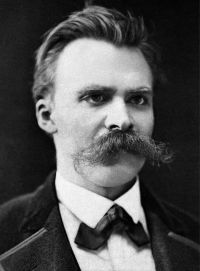
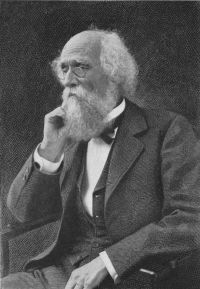
Portrait of David Hume David Hume,  Dialogues Concerning Natural Religion

“ But how oft do they break their bounds, and cause the greatest convulsions in society? There is nothing so advantageous in the universe, but what frequently becomes pernicious, by its excess or defect; nor has Nature guarded, with the requisite accuracy, against all disorder or confusion. The irregularity is never perhaps so great as to destroy any species; but is often sufficient to involve the individuals in ruin and misery.
On the concurrence, then, of these four circumstances, does all or the greatest part of natural evil depend.
”
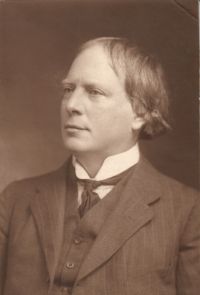
Source: Gutenberg

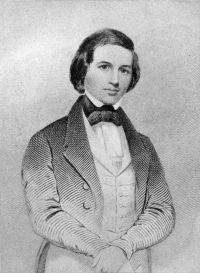
Oliver Wendell Holmes,  Elsie Venner

“ Whether a human being could be reached by this subtile agency, he had been skeptical, notwithstanding the mysterious relation generally felt to exist between man and this creature, “cursed above all cattle and above every beast of the field,”—a relation which some interpret as the fruit of the curse, and others hold to be so instinctive that this animal has been for that reason adopted as the natural symbol of evil. ”
Source: Gutenberg

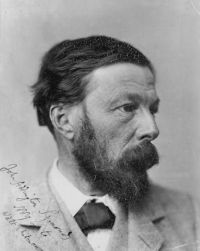
Lewis Pyle Mercer,  Swedenborg's Doctrine of Correspondence (1889)

“ And, since on the other hand, they correspond to the affections and thoughts of man's life, and thus to the spiritual world which is the outbirth and correspondent of his natural mind, it follows that all evil affections and thoughts pervert the inflowing life, and tend to disturb order and to produce evil and noxious things in nature. In the hells, and from the hells to some extent in the world of spirits, appear poisonous and hurtful animals, as serpents, scorpions, owls, mice, locusts, frogs, spiders, flies, lice and various parasites ”
Source: Wikisource

Get perspective with Kwize: daily news enlightened by great literature