Nuisance (law)

Definition and stakes

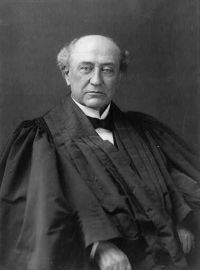
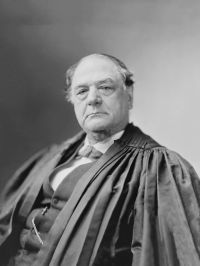
Portrait of Stephen Johnson Field Stephen Johnson Field,  Baltimore v. Fifth Baptist Church…

“ That is a nuisance which annoys and disturbs one in the possession of his property, rendering its ordinary use or occupation physically uncomfortable to him. For such annoyance and discomfort the courts of law will afford redress by giving damages against the wrong-doer, and when the cause of the annoyance and discomfort are continuous, courts of equity will interfere and restrain the nuisance. ”

Source: Wikisource

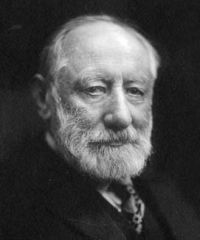
Portrait of Frederic Jesup Stimson Frederic Jesup Stimson,  Popular Law-making

“ Legislation extending the police power and declaring new forms or uses of property to be a nuisance is, of course, rapidly increasing in all States. The common-law nuisance was usually a nuisance to the sense of smell or a danger to life, as, for instance, an unsanitary building or drain. Noise, that is to say, extreme noise, might also be a nuisance, and in England the interference with a man's right to light and air. ”
Source: Gutenberg

A Selection of Cases on the Law of Torts (1893)

“ In the case at bar it should have been left for the jury to determine whether from the dangerous character of the defendant’s business, the proximity to other buildings, and all the facts proved upon the trial, the defendant was chargeable with maintaining a private nuisance and answerable for the damages arising from the explosion.
A private nuisance is defined to be anything done to the hurt or annoyance of the lands, tenements, or hereditaments of another.
”
Source: Gutenberg

Get perspective with Kwize: daily news enlightened by great literature