Organ (musical instrument)

Definition and stakes

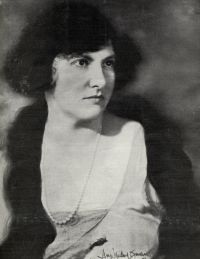
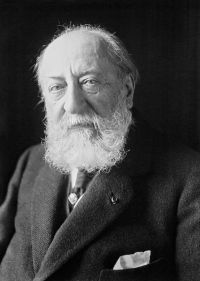
Portrait of Camille Saint-Saëns Camille Saint-Saëns,  Musical Memories (1919)

“ It needed only to add to this flute a keyboard and bellows to make one of those pretty instruments the first painters used to put in the hands of angels. As it developed and gradually became the most grandiose of the instruments, the organ, with its depth of tone modified and increased tenfold by the resonance of the great cathedrals, took on its religious character.
The organ is more than a single instrument. It is an orchestra, a collection of the pipes of Pan of every size, from those as small as a child’s playthings to those as gigantic as the columns of a temple.
”
Source: Gutenberg

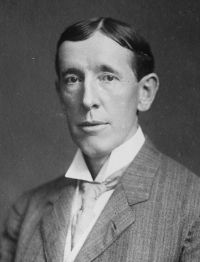
George Laing Miller,  The Recent Revolution in Organ Building

“ Looking backward over the field we have traversed we find that the modern organ is an entirely different instrument from that of the Nineteenth Century.
Tracker action, bellows weights, the multitude of weak, drab-toned stops, have disappeared, and in their place we have stops of more musical character, greater volume, under perfect and wide control; new families of string and orchestral tones; great flexibility, through transference of stops; an instrument of smaller bulk than the old one, but yet of infinitely greater resources.
”
Source: Gutenberg

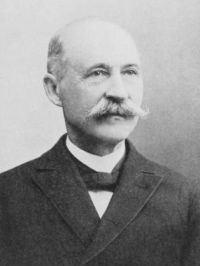
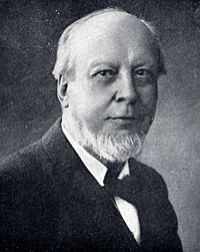
Portrait of Dudley Buck Dudley Buck,  The Influence of the Organ in History

“ It must be borne in mind that this absolutism, as in matters political (to carry out the simile) , was possible at this stage of the world in matters musical, because not even the harpsichord, clavichord, spinet, or any of those presentiments of the modern pianoforte, by whatever name they were called, had as yet made their [Pg 19] appearance. The organ was, for the time, the sole keyed instrument. ”
Source: Gutenberg

Get perspective with Kwize: daily news enlightened by great literature