Peasant proprietor

Definition and stakes

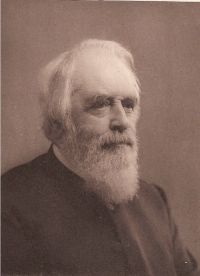
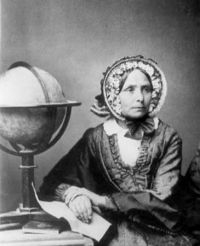
Portrait of John Stuart Mill John Stuart Mill,  Principles of Political Economy (1871)

“ In this case, as well as in its extreme opposite, the case of the peasant proprietor, there is no division of the produce.
§ 3. When the three requisites are not all owned by the same person, it often happens that two of them are so. Sometimes the same person owns the capital and the land, but not the labour. The landlord makes his engagement directly with the labourer, and supplies the whole or part of the stock necessary for cultivation. This system is the usual one in those parts of Continental Europe, in which the labourers are neither serfs on the one hand, nor proprietors on the other.
”
Source: Wikisource

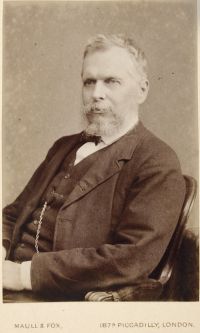
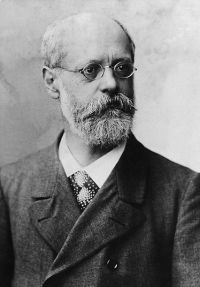
Portrait of William Stanley Jevons William Stanley Jevons,  Political economy

“ Too frequently the peasant proprietor, if he is not very provident, runs short of money after one or two bad seasons. He will then be tempted to borrow money, to sell his timber, and other produce before it is ready for the market, and thus run in debt. When his farm has increased in value and would bring some rent, he will very likely mortgage it, that is, give it by a legal deed as security for his debts. ”
Source: Gutenberg

Get perspective with Kwize: daily news enlightened by great literature