Pit (botany)

Definition and stakes

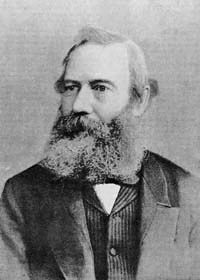
Portrait of Douglas Houghton Campbell Douglas Houghton Campbell,  Elements of Structural and Systematic Botany

“ The growing point is at the bottom of this pit, and by a regular forking of the growing point the symmetrical branching of the plant is brought about. Scattered over the surface are little circular pits through whose openings protrude bunches of fine hairs. When wet the plant is flexible and leathery, but it may become quite dry and hard without suffering, as may be seen when the plants are exposed to the sun at low tide. ”

Source: Gutenberg

Portrait of Mrs. Loudon Mrs. Loudon,  Instructions in gardening for ladies (1840)

“ When hyacinths are to be grown to the greatest perfection in England, a bed, or rather pit, should be dug three feet or four feet wide, and six feet deep, the length depending on the situation, and on the quantity of flowers to be grown. A layer of stale cow-dung, without any mixture of straw or litter, should be laid at the bottom of this pit at least a foot deep, and the pit should then be filled up to within three inches of the top, with equal parts of peat and silver-sand, or with a mixture of three parts of silver-sand to one of light vegetable mould perfectly fine and without any stones. ”
Source: Gutenberg

F. W. Woodward,  Woodward's Graperies and Horticultural Buildings

“ THE COLD PIT.
Many who have not the advantage of a green-house, wish to preserve over the winter their half-hardy plants which have ornamented their garden during the summer. These are generally consigned to the cellar to dry up and be forgotten. In the darkness they loose their leaves, and when in spring they are again brought to light many are dried up and dead. Properly constructed cold pits offer superior advantages for the protection of many plants of a half-hardy nature, and indeed some that are usually considered tender here find a congenial location.
”
Source: Gutenberg

Get perspective with Kwize: daily news enlightened by great literature