Pluralism, a philosophical doctrine opposing monism and dualism, suggests the existence of multiple realities, truths, or logical systems. In metaphysics, it maintains that various substances are present, while ontological pluralism investigates different forms of being, such as the unique existence of numbers compared to physical entities. Epistemological pluralism acknowledges several approaches to knowledge, often associated with pragmatism, and logical pluralism accepts alternative valid logics, such as classical and paraconsistent systems.
Thinkers like William James distinguished pluralism's acknowledgment of varied realities from monism's emphasis on unity, while George Holmes Howison described pluralism as the rational integration of multiple intelligences. A. E. Taylor criticized its inability to reconcile unity with diversity, and M. P. Follett examined the conflicts within political pluralism. Pluralism, therefore, reflects a dedication to complexity, enabling the coexistence of differing truths without collapsing them into a single structure.
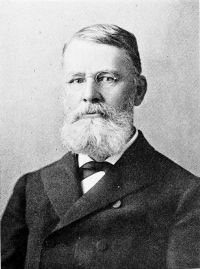 George Holmes Howison,
The Limits of Evolution
(1904)
George Holmes Howison,
The Limits of Evolution
(1904)