Profiteering

Definition and stakes

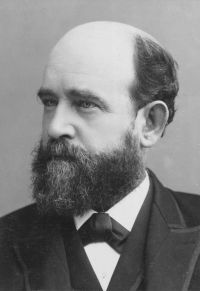
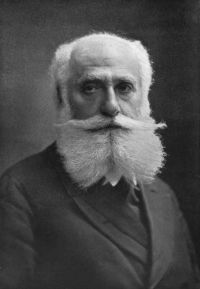
Portrait of William Bennett Munro William Bennett Munro,  Social Civics (1922)

“ The whole impression of this picture is one of industry, prosperity, thrift, and—by reason of these three—happiness.
The nature of profits. Profits.—The return received by the organizers and managers of productive enterprises is commonly known as profit. The amount of their profit depends upon the degree of success with which they can produce goods for less than the selling price. Every employer or organizer assumes a considerable amount of risk. He obligates himself to pay definite amounts for the use of capital, materials, and labor no matter what the value of the finished products.
”
Source: Gutenberg

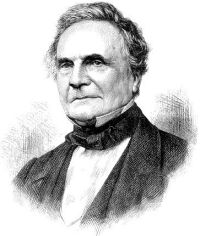
Portrait of Charles Babbage Charles Babbage,  On the Economy of Machinery and Manufactures (1846)

“ Many an industrious bookseller would be glad to sell for 5s. the volume which the reader holds in his hand, and for which he has paid 6s.; and, in doing so for ready money, the tradesman who paid 4s. 6d. for the book, would realise, without the least risk, a profit of eleven per cent. on the money he had advanced. It is one of the objects of the combination we are discussing, to prevent the small capitalist from employing his capital at that rate of profit which he thinks most advantageous to himself; and such a proceeding is decidedly injurious to the public. ”
Source: Wikisource

Get perspective with Kwize: daily news enlightened by great literature