Screw (mechanism)

Definition and stakes

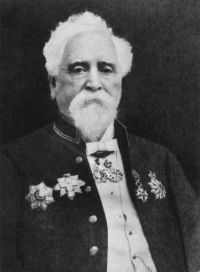
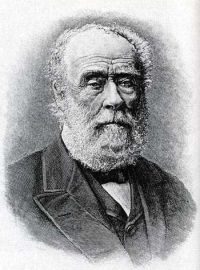
Portrait of Joshua Rose Joshua Rose,  Modern Machine-Shop Practice, Volumes I and II

“ The tailstock or poppet-head screw is a right hand because the nut moves in this case. The object of employing right-hand screws in some cases, and left-hand ones in others, is that it comes most natural in operating a screw to move it from right to left to unscrew, and from left to right to screw up a piece, this being the action of a right-hand screw, left-hand screws being comparatively rarely used in mechanism, save when to attain the object above referred to. ”
Source: Gutenberg

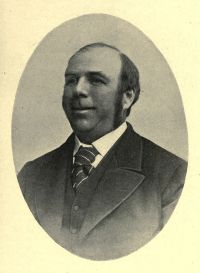
Samuel Smiles,  Industrial Biography: Iron Workers and Tool Makers

“ Maudslay's love of accuracy also led him from an early period to study the subject of improved screw-cutting. The importance of this department of mechanism can scarcely be overrated, the solidity and permanency of most mechanical structures mainly depending on the employment of the screw, at the same time that the parts can be readily separated for renewal or repair. Any one can form an idea of the importance of the screw as an element in mechanical construction by examining say a steam-engine, and counting the number of screws employed in holding it together. ”
Source: Gutenberg

Portrait of Joshua Rose Joshua Rose,  Modern Machine-Shop Practice, Volumes I and II

“ The lead screw for screw cutting is placed in a trough running inside the lathe bed, so that it is nearer to the cutting tool than if placed outside that bed, while it is entirely protected from the lathe cuttings and from dirt or dust; and the feed-driving mechanism is so arranged that both may be in gear with the live spindle, and either the rod feed or screw-cutting feed may be put into action instantly, while putting one into action throws the other out, and thus avoid the breakage that occurs when both may be put into action at the same time. ”
Source: Gutenberg

Get perspective with Kwize: daily news enlightened by great literature