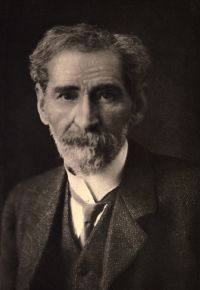
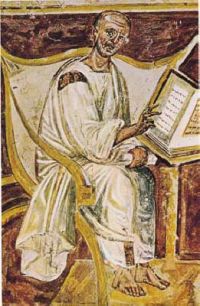
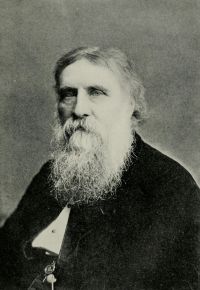
"Seeing," a 2004 novel by José Saramago, explores the interplay between perception and power, continuing the narrative of societal collapse begun in his earlier work Blindness. The theme of vision—both literal and metaphorical—resonates beyond Saramago’s fiction. Authors like Henry Van Dyke framed sight as the height of knowledge, while S. D.
Gordon connected it to inner purpose, stating that "unwillingness dulls the ears and blurs the eye." Rupert Hughes metaphorically extended this idea to unseen observers, and Johann Gottlieb Fichte questioned the consciousness behind perception. These diverse viewpoints come together in Saramago’s work, where "seeing" becomes a means to examine collective blindness, revealing how clarity and awareness shape human destiny.
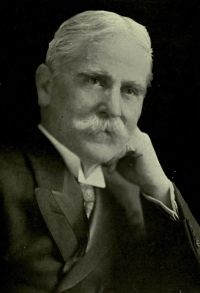 Henry Van Dyke,
The Blue Flower
Henry Van Dyke,
The Blue Flower