Social association

Definition and stakes

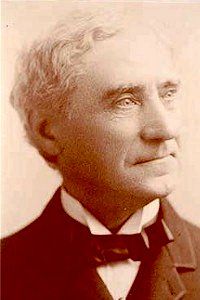
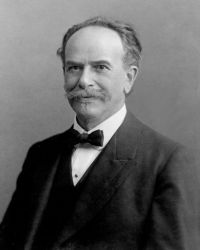
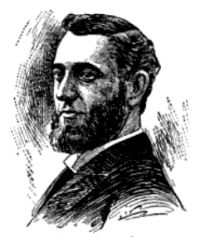
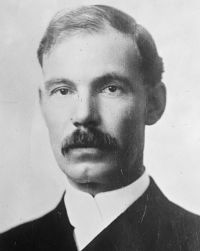
Portrait of Edward Alsworth Ross Edward Alsworth Ross,  The American Journal of Sociology (1896)

“ It may be literally true, that the chief formation of a long-drawn social life is not the relation of authority and subordination between parts of the group, not the gradation of its members into classes, not the systems of sustaining, transporting or regulating organs, but certain ideals and standards, certain likes and dislikes, certain admirations and abhorrences become common to its members. Here then, I venture to suggest, is the ultimate test of association. The abiding of men in the same neighborhood without conflict is mere aggregation. ”
Source: Wikisource

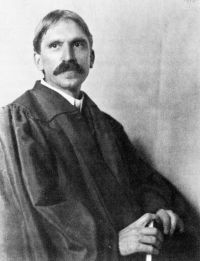
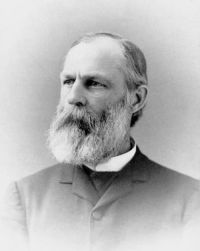
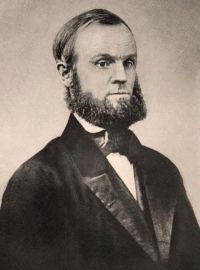
Portrait of John Humphrey Noyes John Humphrey Noyes,  History of American Socialisms

“ The principles of Association are founded on the eternal laws of justice and truth; they present the only remedy for the appalling confusion and discord of the present social state; they are capable of being carried into practice by just such men and women as we daily meet in the usual walks of life; and as firmly as we believe in a Universal Providence, so sure we are that their practical accomplishment is destined to bless humanity with ages of abundance, harmony, and joy, surpassing the most enthusiastic dream."
[Editorial in the Harbinger, June, 14, 1845.]
”
Source: Gutenberg

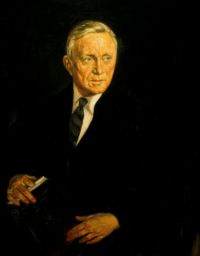
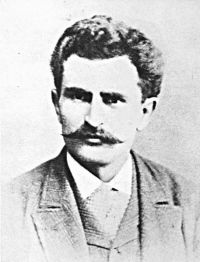
Portrait of Charles Horton Cooley Charles Horton Cooley,  Social organization (1909)

“ Where do we get our notions of love, freedom, justice, and the like which we are ever applying to social institutions? Not from abstract philosophy, surely, but from the actual life of simple and widespread forms of society, like the family or the play-group. In these relations mankind realizes itself, gratifies its primary needs, in a fairly satisfactory manner, and from the experience forms standards of what it is to expect from more elaborate association. ”
Source: Gutenberg

Get perspective with Kwize: daily news enlightened by great literature