Spittle

Definition and stakes

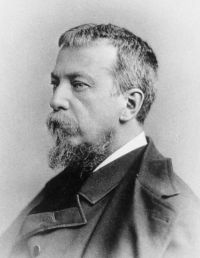
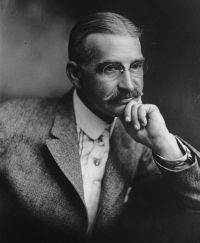
Portrait of James George Frazer James George Frazer,  The Golden Bough (1922)

“ Spittle tabooed.—The same fear of witchcraft which has led so many people to hide or destroy their loose hair and nails has induced other or the same people to treat their spittle in a like fashion. For on the principles of sympathetic magic the spittle is part of the man, and whatever is done to it will have a corresponding effect on him. A Chilote Indian, who has gathered up the spittle of an enemy, will put it in a potato, and hang the potato in the smoke, uttering certain spells as he does so in the belief that his foe will waste away as the potato dries in the smoke. ”
Source: Wikisource

Petronius Arbiter,  The Satyricon of Petronius Arbiter… (1922)

“ In the ceremony of naming Roman children spittle had its part to play: it was customary for the nurse to touch the lips and forehead of the child with spittle. The Catholic priest’s ritual, which prescribes that the ears and nostrils of the infant or neophyte, as the case may be, shall be touched with spittle, comes, in all probability from Mark, vii, 33, 34, viii, 23, and John, ix, 6, which, in turn are probably derived from a classical original. It should be added that fishermen spit upon their bait before casting in their hooks. ”
Source: Wikisource

James Napier,  Folk lore

“ To both Greeks and Romans the fasting spittle was a charm against fascination. Persius Flaccus says:—"A grandmother or a superstitious aunt has taken baby from his cradle, and is charming his forehead and his slavering lips against mischief by the joint action of her middle finger and her purifying spittle." Here we find that it is not the spittle alone, but the joint action of the spittle and the middle finger which works the influence. The middle finger was commonly, in the early years of this century, believed to possess a favourable influence on sores ”
Source: Gutenberg

Get perspective with Kwize: daily news enlightened by great literature