Sword cut

Definition and stakes

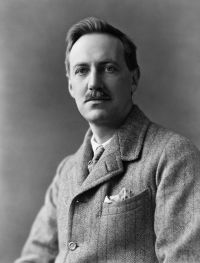
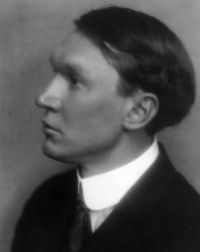
Portrait of Vachel Lindsay Vachel Lindsay,  The Golden Book of Springfield

“ At his simple forge he hammers out those wonderful swords in plain sight of the passer-by or the detective from Europe. They cannot grasp the secret. He named his gift to the world, “The Avanel Blade.” It is waspish and supple, all-conquering in body and soul. Sideways it can be wound like watch spring steel, or even a coil of narrow ribbon. Edgewise it can cut more human flesh and bone than the heavy guillotine, it can cut straight through an iron or granite block of any thickness, as though it were cutting snow. In its standard form it is longer than the longest cavalry sword. ”
Source: Gutenberg

Arthur W. Marchmont,  By Right of Sword

“ I sprang aside, whipped out my sword, sent up a lusty cry for help that made the houses ring again, and set my back against the wall to sell my life as dearly as I could. They closed round me and attacked instantly; a swift lunge sent my blade through one of them, a swinging cut made another drop his knife with a great cry of pain, and an unexpected, but tremendously violent back-handed blow with the hilt of my sword right in the face sent a third down reeling and half senseless. ”
Source: Gutenberg

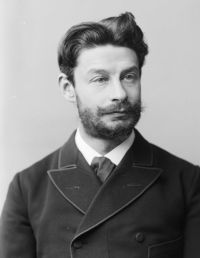
Baron Rowland George Allanson-Winn Headley,  Broad-Sword and Single-Stick

“ No doubt the weight of the blade, increased by the heavy deep ridge running almost from point to hilt, made it very serviceable for cutting, but it seems more than probable that the point was also used, and that the idea of the edge was handed down to us because the ancient sculptor or delineator, in his battle-piece representations, placed the swordsman in the most spirited positions he could think of. A figure in the act of delivering a slashing cut, say cut 1 or cut 2, looks much more aggressive and eager for the fray than a similar figure about to give the point. ”
Source: Gutenberg

Get perspective with Kwize: daily news enlightened by great literature