Tea room

Definition and stakes

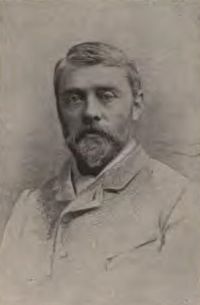
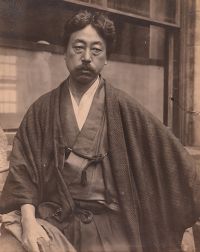
Portrait of Kakuzo Okakura Kakuzo Okakura,  The Book of Tea

“ In the tea-room fugitiveness is suggested in the thatched roof, frailty in the slender pillars, lightness in the bamboo support, apparent carelessness in the use of commonplace materials. The eternal is to be found only in the spirit which, embodied in these simple surroundings, beautifies them with the subtle light of its refinement.
That the tea-room should be built to suit some individual taste is an enforcement of the principle of vitality in art. Art, to be fully appreciated, must be true to contemporaneous life.
”
Source: Gutenberg

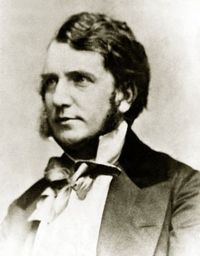
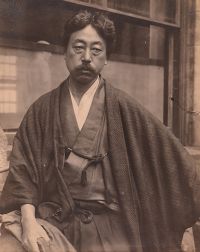
Portrait of Okakura Kakuzō Okakura Kakuzō,  The Book of Tea (1906)

“ In the tea-room the fear of repetition is a constant presence. The various objects for the decoration of a room should be so selected that no colour or design shall be repeated. If you have a living flower, a painting of flowers is not allowable. If you are using a round kettle, the water pitcher should be angular, A cup with a black glaze should not be associated with a tea-caddy of black lacquer. ”
Source: Wikisource

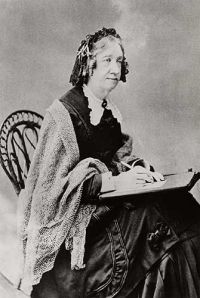
Maud C. Cooke,  Social Life; or, The Manners and Customs of Polite Society

“ Ladies leave outer wraps in hall, or dressing-room, but do not-294- remove their bonnets. Gentlemen who expect to spend but a few moments, carry their hats with them into the drawing-room.
The table is made attractive with beautiful linen, china, and silver, and salads and oysters, ices and cake turn this entertainment from a simple afternoon tea into a "high tea." The tea-room is never deserted, and, although servants are in attendance, there are young girls to pour the tea and add the charm of their presence to the hour.
”
Source: Gutenberg

Get perspective with Kwize: daily news enlightened by great literature