Visit card

Definition and stakes

Ruth Ashmore,  Side Talks with Girls (1895)

“ When visiting leave a card for the lady of the house and for each daughter in society. When you cannot go to a reception or a tea your cards represent you. When you do go you leave your card either with a servant who holds out a silver salver for it, or you put it on the table prepared for cards. This is done because, seeing many people, your hostess may not remember all who were there, and the little bits of thin pasteboard tell of her visitors and warn her of those to whom she owes either a personal visit or a return card. ”
Source: Wikisource

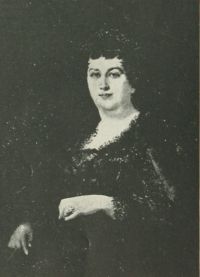
Portrait of M. E. W. Sherwood M. E. W. Sherwood,  Manners and Social Usages

“ A call must not be returned with a card only, or a card by a call. If a person send you a card by post, return a card by post; if a personal visit is made, return it by a personal visit; if your acquaintance leave cards only, without inquiring if you are at home, return the same courtesy. If she has left the cards of the gentlemen of her family, return those of the gentlemen of your family.
A young lady's card should almost always be accompanied by that of her mother or her chaperon. It is well, on her entrance into society, that the name of the young lady be engraved on her mother's card.
”
Source: Gutenberg

Portrait of Emily Post Emily Post,  Etiquette

“ Turning down a corner of a visiting card is by many intended to convey that the visit is meant for all the ladies in the family. Other people mean merely to show that the card was left at the door in person and not sent in an envelope. Other people turn them down from force of habit and mean nothing whatever. But whichever the reason, more cards are bent or dog-eared than are left flat. ”
Source: Gutenberg

Get perspective with Kwize: daily news enlightened by great literature