Chinese characters

Definition and stakes

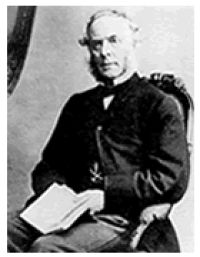
Portrait of Herbert Allen Giles Herbert Allen Giles,  Chinese Sketches

“ One of the most curious and harmless customs of the Chinese is that of carefully burning every scrap of paper inscribed with the cherished characters which, as far as calligraphy goes, justly take precedence of those of any other language on the globe. Not content with mere reduction by fire, a conscientious Chinaman will collect the ashes thus produced, and sealing them up in some earthen vessel, will bury them deep in the earth or sink them to the bottom of a river. ”

Source: Gutenberg

E. C. Phillips,  Peeps Into China; Or, The Missionary's Children

“ When all these scraps have been collected, they are burnt in a furnace, and the ashes are put into baskets, carried in procession, and emptied into a stream. Slips of paper are pasted on walls, telling people to reverence lettered paper. Chinese characters are called 'eyes of the sage;' and some people think that if they are irreverent to the paper, they are so to the sages who invented them, and they will perhaps, for a punishment, be born blind in the next world.
WAITING TO BE HIRED.
"Men become famous in China when they write very beautifully. They write with a brush and Indian ink.
”
Source: Gutenberg

Portrait of Herbert Allen Giles Herbert Allen Giles,  A History of Chinese Literature

“ As to the origin of the written language of China, invention is altogether out of the question. It seems probable that in prehistoric ages, the Chinese, like other peoples, began to make rude pictures of the sun, moon, and stars, of man himself, of trees, of fire, of rain, and they appear to have followed these up by ideograms of various kinds. How far they went in this direction we can only surmise. There are comparatively few obviously pictorial characters and ideograms to be found even in the script of two thousand years ago ”
Source: Gutenberg

Get perspective with Kwize: daily news enlightened by great literature