Dutch art

Definition and stakes

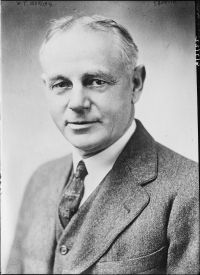
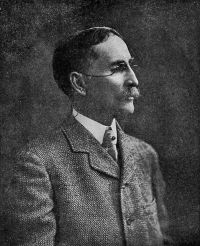
Portrait of Theodore Dreiser Theodore Dreiser,  A Traveler at Forty

“ I do not know how to suggest the poetry, the realism, the mood, the artistic craftsmanship that go with these things. They suggest a time, a country, an age, a mood, which is at once a philosophy, a system, a spirit of life. What more can art be? What more can it suggest? How, in that fortune of chance, which combines it with color-sense, temperament, craft, can it be exceeded? And all of this is what Dutch art—those seemingly minor phases, after Hals and Rembrandt—means to me.
But I was in Holland now, and not concerned so much for the moment with Dutch art as with my trunks.
”
Source: Gutenberg

Gerharda Hermina Marius,  Dutch Art in the Nineteenth Century… (1908)

“ Seeing how closely nature and landscape-painting are bound up with the very existence of Dutch art, it can be no matter for surprise that, at a time of a decline such as that into which official painting in general had fallen in our country, there were painters at the beginning of the eighteenth century who had succeeded in keeping their art untouched by foreign influences and who, refusing to deny their kind or the traditions of the great centuries, looked at nature through their own eyes, through their own masters. ”
Source: Wikisource

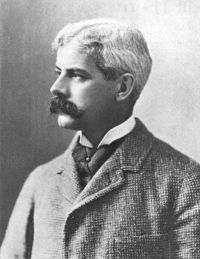
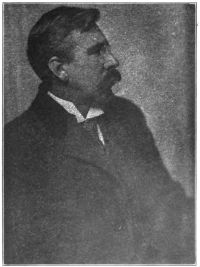
Portrait of E. V. Lucas E. V. Lucas,  A Wanderer in Holland

“ The truth simply is that one goes to Dutch art for the celebration of fact without mystery or magic. In other words, Dutch painting is painting without poetry; and it is this absence of poetry which makes the romantic Frenchmen appear to be such exotics when one finds them in Holland, and why it is so pleasant in Holland now and then to taste their quality, as one may at the Stedelijk Museum and in the Mesdag Collection at The Hague. ”
Source: Gutenberg

Get perspective with Kwize: daily news enlightened by great literature