Homeric epics

Definition and stakes

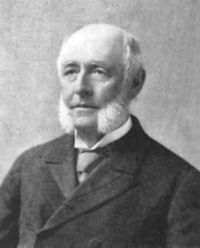
Portrait of Andrew Lang Andrew Lang,  Homer and His Age

“ We are to show, then, that the Epics, being, as wholes, free from such inevitable modifications in the picture of changing details of life as uncritical authors always introduce, are the work of the one age which they represent. This is the reverse of what has long been, and still is, the current theory of Homeric criticism, according to which the Homeric poems are, and bear manifest marks of being, a mosaic of the poetry of several ages of change. ”
Source: Gutenberg

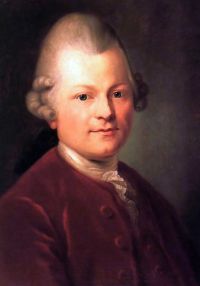
Portrait of Homer Homer,  The Odyssey of Homer

“ Now the Homeric epics are sagas, but then they are the sagas of the divine heroic age of Greece, and thus are told with an art which is not the art of the Northern poets. The epics are stories about the adventures of men living in most respects like the men of our own race who dwelt in Iceland, Norway, Denmark, and Sweden. The epics are, in a way, and as far as manners and institutions are concerned, historical documents. ”
Source: Gutenberg

Hugo Blümner,  The Home Life of the Ancient Greeks

“ Those writers of the Free Age of Greece whom we still possess entirely, or in considerable fragments, are not all equally in a position to touch on matters of private or domestic life. The Homeric Epics give a good deal of insight into the life of those early times; but after Homer epic poetry disappears from the ranks of available testimony, and what remains to us of the Alexandrine Epic, which was essentially a learned style of poetry, supplies no useful material, if only because it seeks its subjects in the mythological period, and describes them on essentially Homeric lines. ”
Source: Gutenberg

Get perspective with Kwize: daily news enlightened by great literature