Mongoloid race

Definition and stakes

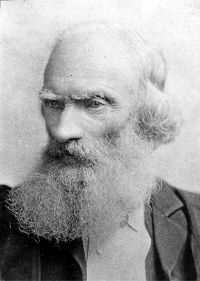
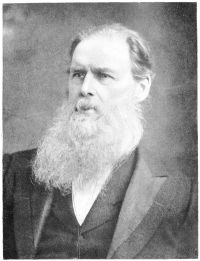
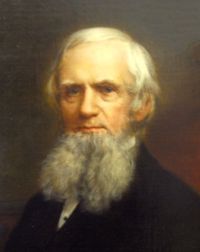
Portrait of Edward B. Tylor Edward B. Tylor,  Anthropology (1881)

“ In his wide migrations over the world, the Mongoloid, through change of climate and life, and still farther by intermarriage with other races, loses more and more of his special points. It is so in the South-east, where in China and Japan the characteristic breadth of skull is lessened. In Europe, where from remotest antiquity hordes of Tatar race have poured in, their descendants have often preserved in their languages, such as Hungarian and Finnish, clearer traces of their Asiatic home than can be made out in their present types of complexion and feature. ”
Source: Gutenberg

Donald A. Mackenzie,  Indian Myth and Legend

“ As we have seen, the Mongoloid features are traceable in India. Many settlers have migrated from Tibet, but among the high-caste Indians the Mongoloid eyes and high cheek bones occur in families, suggesting early crossment.
Another distinctive race has yet to be accounted for—the tall, fair, blue-eyed, long-headed Northerners, represented by the Scandinavians of the present day. Sergi and other ethnologists have classed this type as a variety of the Mediterranean race, which had its area of localization on the edge of the snow belt on lofty plateaus and in proximity to the Arctic circle.
”
Source: Gutenberg

Joseph A. Hester,  Early Man in the New World

“ The differences are so marked that some of our physical anthropologists believe that other races than the Mongoloid contributed to the discovery and settlement of the Americas. They see at least one and possibly three such contributions. If we discount transpacific 208 migration, we must accept the fact that all the peoples of northern Asia did not always belong to the now ubiquitous Mongoloid races. ”
Source: Gutenberg

Get perspective with Kwize: daily news enlightened by great literature