“ They took their poetry seriously, as they did everything about them, and often in spite of crudity of expression, of narrow vision, and of conventionalized modes of speech, this very “high seriousness” raises an otherwise mediocre poem to the level of real literature. Whatever may [6] be said of the limitations of Old English poetry, of its lack of humor, of the narrow range of its sentiments, of the imitativeness of many of its most representative specimens, it cannot be denied the name of real literature ”
Old English poetry
Definition and stakes
The theme of “Old English poetry” has been addressed by authors such as Alfred M. Williams, Gidugu Venkata Ramamoorty, Donald Lemen Clark, Robert Huntington Fletcher and Henry A. Beers. It is often associated with terms like literature, poet, rhyme, England and art.
Quotes about “Old English poetry”
“ All on earth is irksome to man.And we see how the winsome meadows of the land of the Phœnix must by their contrast have delighted the souls of men who were harassed on every side as our ancestors were.All of these distinguishing features of Old English poetry—the regular alliterative meter, the frequent parallelisms, the “kennings,” and the general dark outlook on life will be found illustrated in the poems selected in this book. They cover the entire period of Old English literature and embrace every “school.” ”
“ Accompanying these parallelisms, and often a part of them, are the frequent synonyms so characteristic of Old English poetry. These synonymous expressions are known as “kennings.” They are not to be thought of as occasional metaphors employed at the whim of the poet; they had, in most cases, already received a conventional meaning. Thus the king was always spoken of as “ring giver,” “protector of earls,” or “bracelet bestower.” The queen was the “weaver of peace”; the sea the “ship road,” or “whale path,” or “gannet’s bath.”Old English poetry is conventionalized to a remarkable degree. ”


Related terms
Authors who wrote about “Old English poetry”
Alfred M. Williams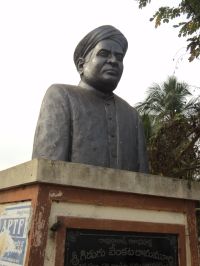 Gidugu Venkata RamamoortyDonald Lemen ClarkRobert Huntington Fletcher
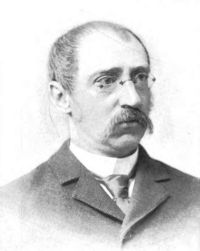 Henry A. BeersJ. M. D. Meiklejohn
 Edward AlbertG. H. Mair
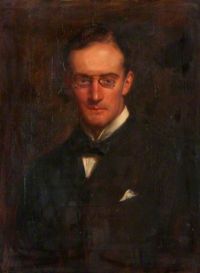 W. P. Ker
 Ralph Waldo EmersonThomas Laurence Kington-Oliphant
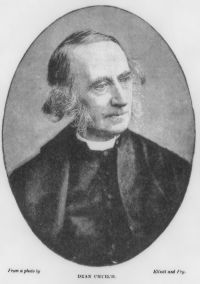 R. W. Church
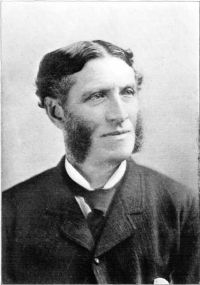 Matthew Arnold
 William Wordsworth
 Samuel Taylor Coleridge
 Walter Pater
 Samuel Johnson
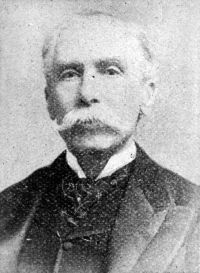 Alfred Austin
 George SaintsburyJohn Richard Green
Gidugu Venkata RamamoortyDonald Lemen ClarkRobert Huntington FletcherHenry A. BeersJ. M. D. MeiklejohnEdward AlbertG. H. MairW. P. KerRalph Waldo EmersonThomas Laurence Kington-OliphantR. W. ChurchMatthew ArnoldWilliam WordsworthSamuel Taylor ColeridgeWalter PaterSamuel JohnsonAlfred AustinGeorge SaintsburyJohn Richard Green