Phormio

Definition and stakes

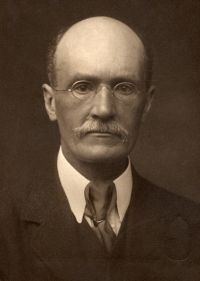
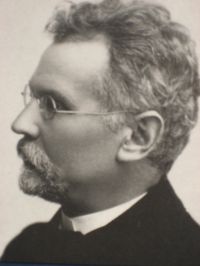
Portrait of Harold North Fowler Harold North Fowler,  A History of Roman Literature

“ The Phormio, first performed at the Ludi Romani, in 161 B. C., is adapted from the Greek of Apollodorus. The Phormio. Two brothers, Chremes and Demipho, have gone on a journey, leaving their two sons, Phædria and Antipho, in charge of a slave, Geta. Antipho marries a poor girl named Phanium, from Lesbos, and Phædria falls in love with a slave girl, whose owner sells her to some one else, but agrees to give her to Phædria if he brings the sum of thirty minæ in one day. ”
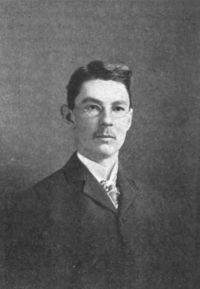
Source: Gutenberg

Terence,  The Comedies of Terence

“ I present you a new play, which they call “Epidicazomenos,”19 in Greek: in the Latin, he calls it “Phormio;” because the person that acts the principal part is Phormio, a Parasite, through whom, principally, the plot will be carried on, if your favor attends the Poet. Lend your attention; in silence give an ear with impartial feelings, that we may not experience a like fortune to what we did, when, through a tumult, our Company was driven from the place;20 which place, the merit of the actor, and your good-will and candor seconding it, has since restored unto us. ”
Source: Gutenberg

William Lucas Collins,  Plautus and Terence (1873)

“ Not a large sum, but more, it is said, than had been paid for any comedy before. It must be remembered that the ancient theatres were open only at festivals, for a few days at a time, and therefore no piece could have a long "run," as on the modern stage. [7]
V.—PHORMIO.
The play called 'Phormio' is taken also from a Greek original, not, however, by Menander, but by Apollodorus, a prolific writer of the same school.
”
Source: Wikisource

Get perspective with Kwize: daily news enlightened by great literature