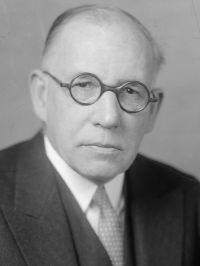
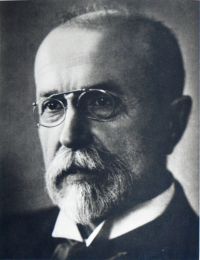
The Slavic peoples form a large group of Indo-European-speaking populations residing in Eastern and Southeastern Europe, characterized by common linguistic, cultural, and historical features. Authors such as Josef Svatopluk Machar emphasized their role in fostering Slavic national identity, while Edward Alfred Steiner recognized their shortcomings as outcomes of historical oppression rather than intrinsic qualities.
James Harvey Robinson pointed out their numerical strength in Europe alongside their limited presence in historical accounts, a point also made by J. N. Larned, who examined their geographic spread and blending with Germanic groups. Talvj highlighted their intellectual and literary achievements, portraying them as a "population amounting to nearly seventy millions" with a profound heritage of mental and social progress. These viewpoints together illustrate the Slavic peoples' intricate balance of endurance, cultural interaction, and historical neglect.
 Josef Svatopluk Machar,
Magdalen
(1916)