Wagnerian

Definition and stakes

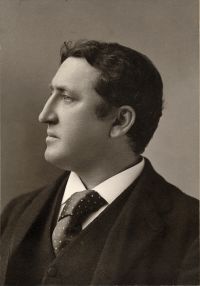
Portrait of James Huneker James Huneker,  Overtones, a book of temperaments (1904)

“ The Wagnerian mixture of words and music, of drama ranking before music and music playing the handmaid rôle of commentator, has stood the tests neither of its creator nor of time. We know our Wagner now; not as a philosopher—shades of Schopenhauer!—not as a poet—let us not invoke the spirit of Goethe!—not as a reformer, dramatist, revolutionist, but as a composer of genius, with a lot of wrong-headed theories, whose magnificent music floated his doctrines and blinded the younger generation to their speciousness. It is music, not drama, that rules in Wagner’s works. ”
Source: Gutenberg

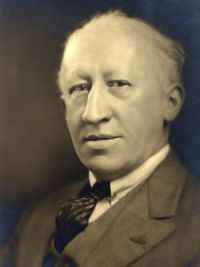
Portrait of Ernest Newman Ernest Newman,  Wagner as Man & Artist

“ We can speak of the Wagnerian imagination as we can speak of the Shakespearean imagination; Wagner's is the only imagination in music that can be compared with Shakespeare's in dramatic fertility and comprehensiveness. It pours itself over the whole surface of a work, into every nook and cranny of it. It is a vast mind, infinite in its sympathies, protean in its creative power. For sheer drastic incisiveness of theme he has not his equal in all music; each vision instinctively, without an effort, finds its own inevitable utterance. ”
Source: Gutenberg

Paul Rosenfeld,  Musical Portraits : Interpretations of Twenty Modern Composers

“ For life itself made the Wagnerian gesture. The vortex of steel and glass and gold, the black express-packets plowing the seven seas, the smoking trains piercing the bowels of the mountains and connecting cities vibrant with hordes of business men, the telegraph wires setting the world aquiver with their incessant reports, the whole sinister glittering faëry of gain and industry and dominion, seemed to tread and soar and sound and blare and swell with just such rhythm, such grandeur, such intoxication. ”
Source: Gutenberg

Get perspective with Kwize: daily news enlightened by great literature