Affection (ethics)

Definition and stakes

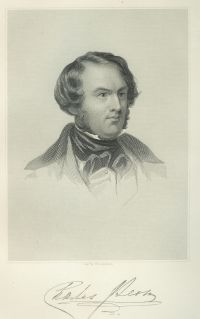
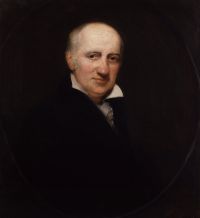
Portrait of Alexander Bain Alexander Bain,  Moral Science; a Compendium of Ethics

“ Even the private affections, in due moderation, promote the general good; but that system is the best possible where, along with this, the generous affections also promote private good. No natural affection is absolutely evil; the evil of excess in narrow generous affection lies in the want of proportion; in calm extensive good-will there can be no excess. The social and moral enjoyments, and those of honour, being the highest, the affections and actions that procure them are the chief means of happiness ”
Source: Gutenberg

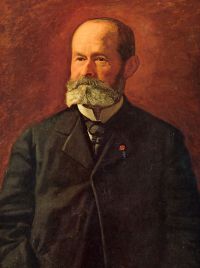
Portrait of Henry Sidgwick Henry Sidgwick,  The Methods of Ethics

“ Again, we recognise that benefits which spring from affection and are lovingly bestowed are more acceptable to the recipients than those conferred without affection, in the taste of which there is admittedly something harsh and dry: hence, in a certain way, the affection, if practical and steady, seems a higher excellence than the mere beneficent disposition of the will, as resulting in more excellent acts. ”
Source: Gutenberg

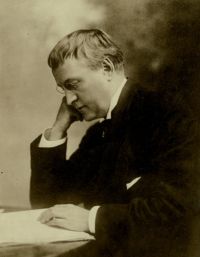
Portrait of Henry T. Finck Henry T. Finck,  Primitive Love and Love-Stories

“ Finally, there is affection, which, in conjunction with the other altruistic ingredients of love, has changed it from an appetite like that of a fly for sugar to a self-oblivious devotion like a mother's for her child, thus raising it to the highest ethical rank as an agency of culture. ”
Source: Gutenberg

Get perspective with Kwize: daily news enlightened by great literature