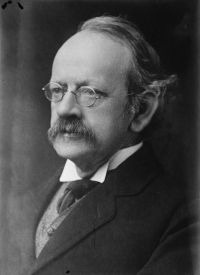
Atomism, the theory that matter is composed of indivisible units known as atoms, has transitioned from a mechanical framework to an independent principle in modern physics. Early advocates such as Thomson and Russell viewed atoms as fundamental to the structure of matter, while Hegel questioned their philosophical consequences, associating them with abstract notions like the Void.
Contemporary viewpoints, as illustrated in Cummings’ poetic imagery or Schmid’s emphasis on elemental simplicity, demonstrate atomism’s flexibility, connecting science with metaphysics. The theme highlights how atomic theory, despite ongoing reinterpretation, continues to serve as a cornerstone for comprehending both physical reality and existential principles.