Digestive juice

Definition and stakes

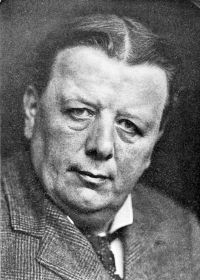
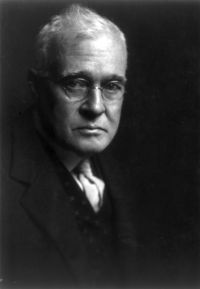
Portrait of Horace Fletcher Horace Fletcher,  The A.B.-Z. of our own nutrition

“ There is no appetite juice, no “igniting juice,” or, at most, very little. The secretory activity comes slowly into play; the food remains much longer in the digestive canal than is necessary, or passes, for want of sufficient digestive juices, into a state of decomposition which irritates the mucous membrane of the alimentary canal and brings it into a condition of disease. No medicinal treatment can help such a patient while he remains surrounded by his old conditions. The fundamental cause of his illness still continues in progress. There is only one course to pursue ”
Source: Gutenberg

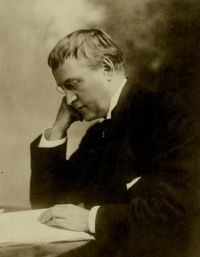
Portrait of Upton Sinclair Upton Sinclair,  Good Health and How We Won It, With an Account of the New Hygiene

“ The digestive juice which is manufactured by the body when it is really hungry and food has been given to it has been shown by Pawlow and Hanecke to be the most important element in digestion. The chemical juices produced in the stomach and intestines while food is in them is of small importance and value compared with the juices that are formed while food is being chewed when the body has a good appetite or is really hungry. ”
Source: Gutenberg

1911 Encyclopædia Britannica (1911)

“ When the juice is examined as regards its digestive activity, it is found that with meat the most active juice is secreted within the first hour, with bread in the second and third hours, and with milk in the sixth hour. According to the nature of the food, the stomach seems to be stimulated to form a secretion which will best serve its purpose and give the minimum of waste. It thus works economically. The principal ferment found in the gastric juice is pepsin, a ferment which acts only in the presence of a mineral acid. ”
Source: Wikisource

Get perspective with Kwize: daily news enlightened by great literature