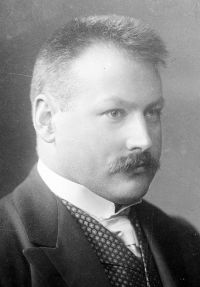
A dry cell is a type of electric battery that uses a paste electrolyte, sealed inside a container to prevent leakage, allowing for portability and adaptability. Invented by Carl Gassner in 1886, it represented an improvement over earlier wet cells by fixing the electrolyte in place, thereby reducing the need for frequent maintenance. Authors such as John B. Rathbun and N.
Hawkins pointed out its practical drawbacks, mentioning degradation caused by the loss of moisture, while others, like Julius von Sachs and D’Arcy Thompson, examined cellular structures in biology, employing the term "cell" in different contexts. These diverse viewpoints—from engineering to botany—demonstrate the varied ways in which the concept of "cell" has been engaged with, although the technical development of the dry cell remains separate from biological discussions.