Eau de cologne

Definition and stakes

Arnold James Cooley,  Cooley's Cyclopædia of Practical Receipts and Collateral Information in the Arts…

“ When flowers and the flowering tops of plants are ordered, it is also necessary that they be either fresh gathered or well preserved, without drying them. To produce an article of the finest quality, distillation should be had recourse to. A very excellent eau de Cologne may, however, be produced by simple solution of the oils or essences in the spirit, provided they be new, pale coloured, and pure. The mass of the eau de Cologne prepared in England, some of which possess the most delicate fragrance, and is nearly equal to the best imported, is made without distillation. ”
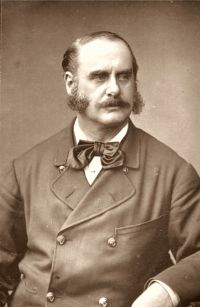
Source: Gutenberg

G. W. Septimus Piesse,  The Art of Perfumery, and Methods of Obtaining the Odors of Plants

“ A great many forms for the manufacture of Eau de Cologne have been published, the authors of some of the recipes evidently having no knowledge, in a practical sense, of what they were putting by theory on paper; other venturers, to show their lore, have searched out all the aromatics of Lindley's Botany, and would persuade us to use absinthe, hyssop, anise, juniper, marjoram, caraway, fennel, cumin, cardamom, cinnamon, nutmeg, serpolet, angelica, cloves, lavender, camphor, balm, peppermint, galanga, lemon thyme, &c. ”
Source: Gutenberg

Get perspective with Kwize: daily news enlightened by great literature