Economic competition

Definition and stakes

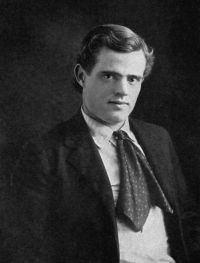
P.-J. Proudhon,  System of Economical Contradictions…

“ Competition, as an economic position or phase, considered in its origin, is the necessary result of the intervention of machinery, of the establishment of the workshop, and of the theory of reduction of general costs; considered in its own significance and in its tendency, it is the mode by which collective activity manifests and exercises itself, the expression of social spontaneity, the emblem of democracy and equality, the most energetic instrument for the constitution of value, the support of association. ”
Source: Gutenberg

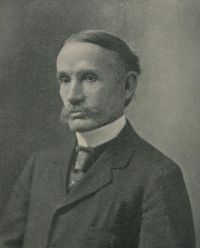
Emory S. Bogardus,  A history of social thought (1922)

“ In his Essays in Social Justice, Professor Carver discusses three forms of economic competition at length. Here he includes competitive production, competitive bargaining, and competitive consumption of economic goods. The second class has already been referred to as commercial persuasion. Competitive production increases the supply of economic goods and “always works well.” Competitive consumption, however, “always works badly.” ”
Source: Gutenberg

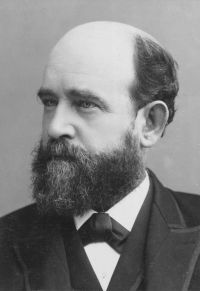
Portrait of John Bates Clark John Bates Clark,  Essentials of Economic Theory

“ Why the Public depends on Competition for Securing its Share of Benefit from Improvements.—Another [Pg 364] question is whether the two systems, that of competition, on the one hand, and monopoly, on the other, confer equal benefits on the public by virtue of the improvements they make. Competition does this with the greatest rapidity. As we have seen, it transforms the net profits due to economies into increments of gain for capitalists and laborers throughout all society. ”
Source: Gutenberg

Get perspective with Kwize: daily news enlightened by great literature