Electric motor

Definition and stakes

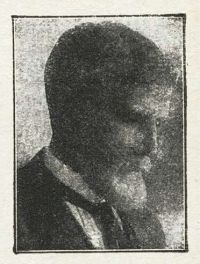
Adam Gowens Whyte,  Electricity in Locomotion

“ A dynamo or electric generator is a machine for transforming mechanical into electrical energy; an electric motor is a machine for transforming electrical energy into mechanical energy. If, therefore, we place an electric motor upon a vehicle and supply it continuously with current from a dynamo, the motor will rotate and can be used to propel the vehicle. That is the essential mechanism of electric traction. ”
Source: Gutenberg

N. Hawkins,  Pumps and Hydraulics, Part 1 (of 2…

“ It is natural that a machine which gives out electric energy when driven by an external power, should, when electric energy is delivered to it, reverse its action and give out mechanical power and do work.
Perhaps the simplest way to explain the cause of the movement of an electric motor, when supplied with a current, is to compare its action to the well-known attraction of unlike poles or magnets and the repulsion of like poles.
”
Source: Gutenberg

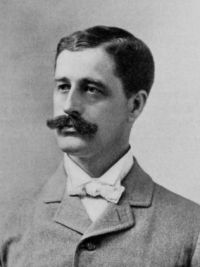
Portrait of John F. Woodhull John F. Woodhull,  The Library of Work and Play: Electricity and Its Everyday Uses

“ An electric motor pumps the air and compresses it in a tank. When the pressure reaches a certain point, say sixty pounds per square inch, it automatically shuts off the electric current from the motor which works the pump. But when the motorman uses some of the air to apply the brakes to the wheels, and the pressure in the tank falls below sixty pounds, the electric current is again automatically turned on to the motor.
Of course if an electric motor can operate a pump to compress air it may also work a pump to exhaust air. This is what is done in a vacuum cleaner.
”
Source: Gutenberg

Get perspective with Kwize: daily news enlightened by great literature