Electrical energy

Definition and stakes

Clement Fezandié,  Through the Earth (1898)

“ This electricity instantaneously passes to my office along the conductors mentioned. As you are aware, electrical energy travels so fast that it can go eight times around the earth in a single second; you will therefore see that, so long as I can use up this energy as fast as it reaches me, the tube cannot acquire a temperature much above 70° F. As soon as the heat becomes greater than this, the excess is at once converted into electrical energy and instantaneously passes to my office. ”

Source: Wikisource

James W. Steele,  Steam, Steel and Electricity

“ In the study of electricity we are accustomed to accept demonstrated facts as we find them. When it is asked how a battery acts, what produces the mysterious current, the only answer that can now be given is that it is by the conversion of the energy of chemical affinity into the energy of electrical vibrations. Many mixtures produce heat. The explanation can be no clearer than that for electricity. Electricity and heat are both forms of energy, and, indeed, are so similar that one is almost synonymous with the other. ”
Source: Gutenberg

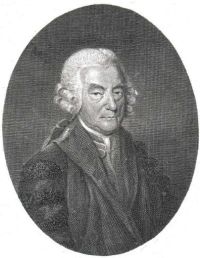
Portrait of S. Laing S. Laing,  A Modern Zoroastrian

“ The latest inventions of electrical science—the dynamo and the accumulator—afford remarkable instances of this convertibility of one primitive energy into different forms. In the instance just quoted of obtaining light from electricity by the voltaic battery, the cost has hitherto proved an obstacle to its adoption. The electrical energy is all obtained from the transformation of the heat produced in the cells by the chemical action on the metal used, which is commonly zinc. ”
Source: Gutenberg

Get perspective with Kwize: daily news enlightened by great literature