Dielectric

Definition and stakes

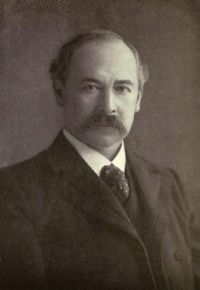
Portrait of James Clerk Maxwell James Clerk Maxwell,  On Faraday's Lines of Force (1855)

“ If the dielectric had been of less conductivity than the surrounding medium, we should have had precisely opposite effects, namely, positive electricity where lines enter, and negative where they emerge.
If the conduction of the dielectric is perfect or nearly so for the small quantities of electricity with which we have to do, then we have the case of (24) . The dielectric is then considered as a conductor, its surface is a surface of equal potential, and the resultant attraction near the surface itself is perpendicular to it.
”

Source: Wikisource

Hiram Percy Maxim and Clarence D. Tuska,  The Reward is Given! (1916)

“ Test the coatings with an electroscope and no charge will be found. Bring the glass vessel near a pile of pith-balls. They will be attracted to it, showing that the glass is electrified. Now build up the Leyden jar by putting the parts together. The jar may be discharged in the usual manner. This experiment shows conclusively that the seat of charge is in the dielectric. The same is true of any dielectric whether glass, mica, air, oil or paper. All dielectrics act similarly and so they are all subjected to a stress whenever a condenser is charged. ”
Source: Wikisource

Get perspective with Kwize: daily news enlightened by great literature