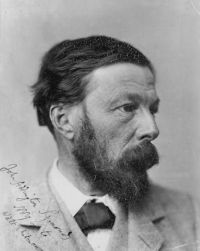
Fine art, traditionally defined as art created primarily for aesthetic and intellectual purposes, distinguishes itself from applied or decorative arts through its focus on creative expression rather than utility. European academic traditions regarded it as the highest form of artistic achievement, emphasizing imagination and craftsmanship in disciplines such as painting, sculpture, and poetry. Writers like Walter Pater praised literature’s “intellectual beauty” as a form of fine art, while Ethel D.
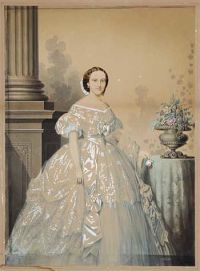
Puffer highlighted the significance of visual elements in artistic appeal. Florence Nightingale, on the other hand, compared nursing to a fine art, underscoring its moral commitment. These diverse viewpoints illustrate the evolving understanding of the concept, which, though historically grounded in Western traditions, now includes contemporary practices and remains pertinent in education and cultural conversation.