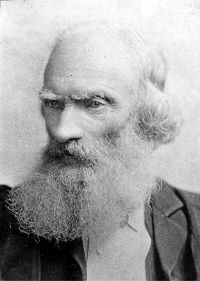
A grid denotes a structured network of intersecting lines or elements, serving as a framework for organization, navigation, or representation. From technical to metaphorical applications, authors have examined its multifaceted role: John Mills describes it as a conductive barrier in electronics, while the U.S.
government highlights its function in cartography, such as the Universal Transverse Mercator system. In literature, Gaston Leroux evokes its labyrinthine complexity in The Phantom of the Opera, contrasting physical and metaphorical frameworks. These varied perspectives underscore the grid’s adaptability as both a practical instrument and a symbolic construct.