Humour (body)

Definition and stakes

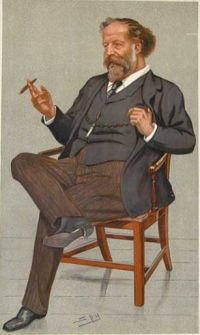
A. G. K. L'Estrange,  History of English Humour, Vol…

“ When the cause of our laughter—be it mind, matter, or imaginary circumstance—is merely regarded as something incongruous and amusing, we name it the ludicrous, and a man is called ludicrous as faulty or contemptible. But when the cause of it is viewed as something more than this, as coming from some conscious power or tendency within us—a valuable gift and an element in our mental constitution—we call it humour, a term applied only to human beings and their productions; and a man is called humorous as worthy of commendation. ”
Source: Gutenberg

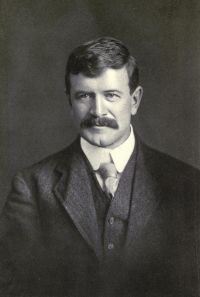
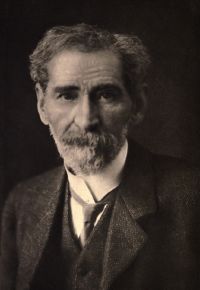
Portrait of James Sully James Sully,  An Essay on Laughter: Its Forms…

“ We may now better define the attitude of the humorist in its relation to that of the comedian and of the satirist. The comic spirit, placing itself at the social point of view, projects as laughable show an eccentric individual, or group of individuals. Satire, when it attacks the manners of an age, may be said to project the society, turning it into an object of derision. Humour, as we have seen, sometimes does the like, though in its laughter at the social scene it is neither passionately vindictive nor concerned with the practical problem of reforming a world. ”
Source: Gutenberg

A. G. K. L'Estrange,  History of English Humour, Vol…

“ Even scenes of drunkenness and immorality are not always excluded. But the [Pg 208] principal representations attributed human actions to birds and beasts—people who could laugh at stories of this kind, could also at depictions of them. It may be maintained that men were then highly emotional, and demanded but little complexity or truth in humour, so that they could see something amusing in a boar playing upon the bagpipes, or in such a device as a monster composed of two birds, with the head of a lion, or another with a human head on a lion's body! ”
Source: Gutenberg

Get perspective with Kwize: daily news enlightened by great literature