Intellectual habit

Definition and stakes

George Herbert Betts,  The Mind and Its Education

“ Let me discover your intellectual habits, and I understand your type of mind and methods of thought. In short, our lives are largely a daily round of activities dictated by our habits in this line or that. Most of our movements and acts are habitual; we think as we have formed the habit of thinking; we decide as we are in the habit of deciding; we sleep, or eat, or speak as we have grown into the habit of doing these things; we may even say our prayers or perform other religious exercises as matters of habit. ”

Source: Gutenberg

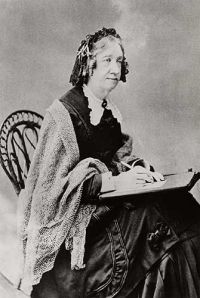
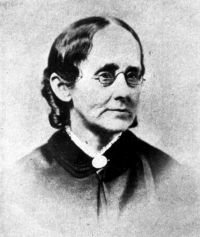
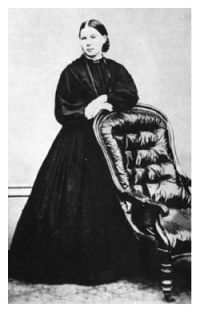
Portrait of Naomi Norsworthy Naomi Norsworthy,  How to Teach

“ There are intellectual, moral, emotional, temperamental habits, just as truly as physical habits. In the intellectual field every operation that involves association or memory also involves habits. Good temper, or the reverse, truthfulness, patriotism, thoughtfulness for others, open-mindedness, are as much matters of learning and of habit as talking or skating or sewing. Habit is found in all three lines of mental development: intellect, character, and skill.
Not only does the law of habit operate in all fields of mental activity, but the characteristics which mark its operation are the same.
”
Source: Gutenberg

David Masson,  The Three Devils: Luther's, Milton's…

“ Soul, mind, spirit, these old and simple words are the strongest, the profoundest, the surest; age cannot antiquate them, nor science undo them; they last with the rocks, and still go beyond. But, having in view rather the operation than the cause, we find a use also in such alternative phrases as “mode of thinking,” “mode of feeling and thinking,” “habit of thought,” “moral and intellectual character or constitution,” and the like. ”
Source: Gutenberg

Get perspective with Kwize: daily news enlightened by great literature