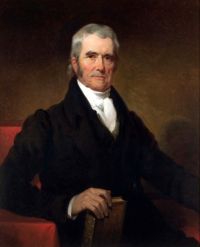
The concept of a legal guardian refers to an individual officially designated to act on behalf of another, usually a minor or someone lacking capacity, ensuring their rights and well-being are safeguarded. This topic has been examined by legal scholars such as Nathan Clifford, who focused on the limits of jurisdiction in guardianship matters, and Robert H.
Jackson, who emphasized the court's role in reinforcing the responsibilities of guardians. John Marshall considered the legitimacy of guardianship orders, while Plato described early legal systems for ensuring accountability among guardians. These viewpoints highlight the ongoing challenge of balancing duty, legal power, and the necessity of judicial supervision in protecting those who are vulnerable.