Linguistic analogy

Definition and stakes

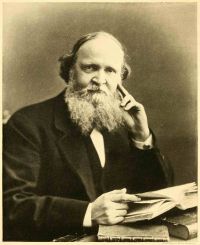
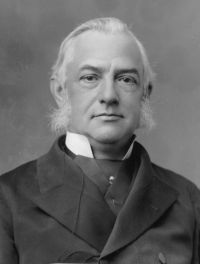
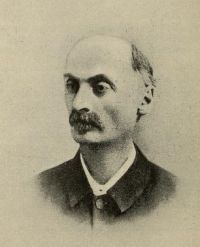
Portrait of A. H. Sayce A. H. Sayce,  Introduction to the science of language… (1880)

“ As in phonology we have the growth or decay of sounds, so in sematology we have the growth or decay of ideas. The three principles of linguistic change, imitation, emphasis and laziness, are incessantly at work on the meanings as well as upon the sounds of words. Analogy is ever lending them new senses, and the metaphorical senses may come to be used to the utter forgetfulness of the original one. ”
Source: Gutenberg

Portrait of Plato Plato,  Cratylus

“ The greatest light is thrown upon the nature of language by analogy. We have the analogy of the cries of animals, of the songs of birds (“man, like the nightingale, is a singing bird, but is ever binding up thoughts with musical notes”) , of music, of children learning to speak, of barbarous nations in which the linguistic instinct is still undecayed, of ourselves learning to think and speak a new language, of the deaf and dumb who have words without sounds, of the various disorders of speech ”
Source: Gutenberg

Get perspective with Kwize: daily news enlightened by great literature