Metabolic waste product

Definition and stakes

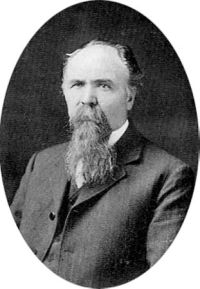
Portrait of Lucius Duncan Bulkley Lucius Duncan Bulkley,  Cancer: Its Cause and Treatment…

“ Of these the latter two furnish most of the 18 per cent of carbon in the body, and the animal or vegetable protein furnishes the nitrogen, which forms only about 3 per cent of the body tissues: all these substances are, of course, used up constantly in providing heat and energy, physical and mental, day by day, the protein being concerned chiefly in replacing wasted tissue. The combustion of the carbohydrates and fat is relatively simple, and the waste products pass off harmlessly, mainly by the lungs, as carbonic acid and water. ”
Source: Gutenberg

Anna M. Galbraith,  Personal hygiene and physical training for women (1916)

“ The larger part of man’s food is used for the production of energy, and it is physiologically economic that this energy be supplied by the non-nitrogenous nutrients, particularly the carbohydrates, and to allocate to protein, so far as practicable, its special rôle of building material.
Nitrogenous Waste Products.—The end-product of proteins is urea, which is formed from protein decomposition products in relatively large amounts in the liver cells, and, being readily soluble and diffusible, is easily eliminated by the kidneys.
”
Source: Gutenberg

Marcus Hartog,  The Cambridge natural history, Vol… (1906)

“ The energy liberated by the protoplasm being derived through the breakdown of another part of the same or of the {14}food-materials or stored reserves, must give rise to waste products. The exchange of oxygen from without for carbonic acid formed within is termed "respiration," and is distinguished from the mere removal of all other waste products called "excretion." ”
Source: Gutenberg

Get perspective with Kwize: daily news enlightened by great literature